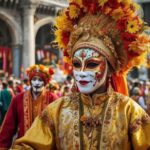
The Pitfalls of Seeking ‘Pure’ Cultural Experiences
As travellers, we often seek out ‘pure’ cultural experiences in our quest for authentic encounters with different ways of life. However, it is crucial to acknowledge that the very concept of purity in culture can be a problematic and elusive notion. Cultures are dynamic and ever-evolving, influenced by a myriad of factors such as history, globalization, and intercultural exchange. Therefore, the idea of a ‘pure’ cultural experience may not only be unattainable but also restrictive in our understanding of the complexities and nuances within a cultural context.
Furthermore, the pursuit of ‘pure’ cultural experiences can sometimes lead to a type of cultural voyeurism, where travellers view local communities and traditions as mere spectacles for their own consumption. This can result in a superficial and one-dimensional understanding of a culture, overlooking the lived realities and multifaceted identities of the people behind it. In essence, the emphasis on seeking ‘pure’ cultural experiences can inadvertently perpetuate stereotypes and exoticize certain aspects of a culture, reinforcing power dynamics that may not align with the principles of respectful and responsible cultural engagement.
The Myth of Cultural Authenticity
Cultural authenticity is often viewed as a fixed, unchanging concept, representing the pure essence of a particular culture. However, this notion fails to acknowledge the dynamic and ever-evolving nature of cultures around the world. It is essential to recognize that cultures are not static entities frozen in time, but rather living, breathing entities that constantly adapt and respond to internal and external influences.
The belief in a singular, authentic culture perpetuates the idea of a monolithic and homogenous society, disregarding the diverse and multifaceted nature of human experiences. Embracing the myth of cultural authenticity can lead to the commodification and fetishization of certain cultural elements, reducing them to mere stereotypes or caricatures. It is imperative to move beyond the simplistic narrative of authenticity and instead appreciate the richness and complexity of cultures as they continue to evolve and intermingle in our interconnected world.
The Impact of Tourism on Traditional Cultures
Tourism plays a significant role in shaping traditional cultures around the world. As travelers seek authentic experiences, they often inadvertently influence and impact the very cultures they are hoping to encounter. The influx of tourists can lead to changes in local traditions, values, and ways of life as communities adapt to meet the demands and expectations of visitors. This shift can be both positive and negative, as it may bring economic opportunities but also risks diluting the uniqueness and integrity of the culture being explored.
Furthermore, the commodification of traditional cultures for tourism purposes can lead to the creation of inauthentic or staged experiences. Local customs and practices may be commercialized and performed solely for the benefit of tourists, rather than being genuine reflections of the community’s identity. This can blur the lines between what is truly representative of a culture and what has been crafted specifically for the consumption of outsiders. The impact of tourism on traditional cultures underscores the delicate balance between sharing and preserving heritage in an increasingly interconnected world.
The Evolution of Cultural Practices in a Globalized World
The globalization of the world has led to a significant evolution in cultural practices across different societies. This interconnectedness has resulted in the exchange and adaptation of traditions and customs, creating a unique blend of old and new. Traditional cultural practices are no longer confined within local boundaries but have now transcended geographical limitations, fostering a sense of cultural diversity and inclusivity. As societies interact and engage with one another on a global scale, there is a continuous flow of ideas and influences that shape the way cultural practices are performed and perceived.
Moreover, the evolution of cultural practices in a globalized world has also sparked conversations about cultural identity and authenticity. With the influx of external influences, communities are redefining what it means to preserve their heritage while embracing modernity. This evolution challenges the notion of cultural purity and encourages individuals to celebrate the dynamic nature of culture. By embracing change and adaptation, societies are able to honour their roots while paving the way for new interpretations and expressions of tradition.
The Dangers of Cultural Appropriation
Cultural appropriation is a contentious issue that deserves thoughtful consideration. When individuals appropriate elements from a culture without understanding or respecting their significance, it can perpetuate harmful stereotypes and diminish the cultural integrity of the communities they borrow from. For example, donning traditional attire or using sacred symbols as mere fashion statements disregards the deep-rooted meanings and historical contexts behind these practices, reducing them to shallow trends devoid of respect or understanding.
Moreover, cultural appropriation can result in economic exploitation, where privileged individuals profit from cultural practices, artifacts, or traditions without benefiting the originating communities. This further exacerbates power differentials and reinforces systemic inequalities, as the original creators often do not receive due credit or compensation for their cultural contributions. By commodifying elements of a culture for personal gain without acknowledging the living traditions and struggles of the people behind them, individuals engaged in cultural appropriation perpetuate a cycle of exploitation and erasure that undermines the richness and diversity of our global cultural tapestry.
Understanding the Complexities of Cultural Hybridity
Cultural hybridity is a phenomenon that exemplifies the intricate interplay between various cultural elements, resulting in unique and dynamic expressions. This blending of traditions, beliefs, practices, and values from diverse cultural backgrounds shapes a rich tapestry of identity, challenging rigid notions of purity and authenticity. In our increasingly interconnected world, the fluidity and adaptability of cultural hybridity serve as a testament to the resilience and creativity of communities in navigating complex cultural landscapes.
At the core of cultural hybridity lies the fusion of different cultural influences, fostering an environment of constant evolution and innovation. This process not only enhances the vibrancy of local cultures but also fosters a sense of interconnectedness and mutual understanding among diverse communities. The dynamic nature of cultural hybridity encourages individuals to embrace the richness of diversity, promoting dialogue and collaboration that transcend traditional boundaries.