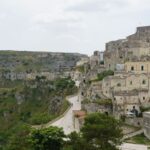
The Fascinating Origins of Matera’s Cave Dwellings
Matera’s cave dwellings trace back to ancient times, with their origins deeply intertwined with the region’s rugged landscape and resourceful inhabitants. The Sassi di Matera, as these dwellings are known, have withstood the test of time, serving as a testament to human ingenuity in adapting to challenging environments. Carved into the soft tufa rock that characterizes the area, these caves provided shelter, protection, and a sense of community for Matera’s early residents.
The strategic location of Matera, overlooking the ravine of the Gravina River, played a pivotal role in the development of its cave dwellings. This natural fortress not only offered defensive advantages but also facilitated trade and cultural exchange with neighbouring settlements. The evolution of Matera’s cave dwellings reflects a symbiotic relationship between humans and nature, where the rocky terrain was not a hindrance but a canvas for innovative architectural solutions that have fascinated visitors from around the world.
The Ancient Settlement of Matera: A UNESCO World Heritage Site
Matera, a city in southern Italy, holds a prestigious title as a UNESCO World Heritage Site due to its ancient settlement that dates back thousands of years. Carved into the rocky landscape, Matera’s cave dwellings known as “sassi” showcase a unique form of human habitation that has stood the test of time. These ancient dwellings, with their interconnected caves and narrow alleyways, offer a window into the past, revealing a way of life that harmoniously integrated humans with their natural surroundings.
The significance of Matera’s designation as a UNESCO World Heritage Site lies not only in its architectural marvels but also in its cultural heritage. The sassi of Matera bear witness to the resilience and adaptability of the human spirit, as generations have called these caves home. Walking through the winding streets and descending into the subterranean spaces of Matera, visitors can sense the rich history embedded in the rock walls, a testament to the ingenuity and community spirit of its residents throughout the ages.
The Evolution of Cave Dwelling Architecture in Matera
Matera’s cave dwelling architecture has undergone a remarkable evolution over the centuries, reflecting a confluence of historical, cultural, and environmental influences. The earliest cave dwellings in Matera were rudimentary structures carved into the soft limestone cliffs that characterize the region. These simple caves provided basic shelter for the inhabitants, with minimal modifications to the natural cave formations. Over time, as the population of Matera grew and the need for more sophisticated living spaces arose, the architecture of the cave dwellings became increasingly intricate and refined.
As Matera’s inhabitants honed their craft, they began to implement more advanced techniques in carving and shaping the caves to create intricate living spaces. This evolution in cave dwelling architecture saw the inclusion of features such as vaulted ceilings, carved facades, and elaborate frescoes. The integration of these architectural elements not only enhanced the functionality of the caves but also added a layer of aesthetic beauty to the dwellings. The evolution of cave dwelling architecture in Matera stands as a testament to the resourcefulness and ingenuity of its inhabitants, who transformed simple cave structures into unique and awe-inspiring homes.